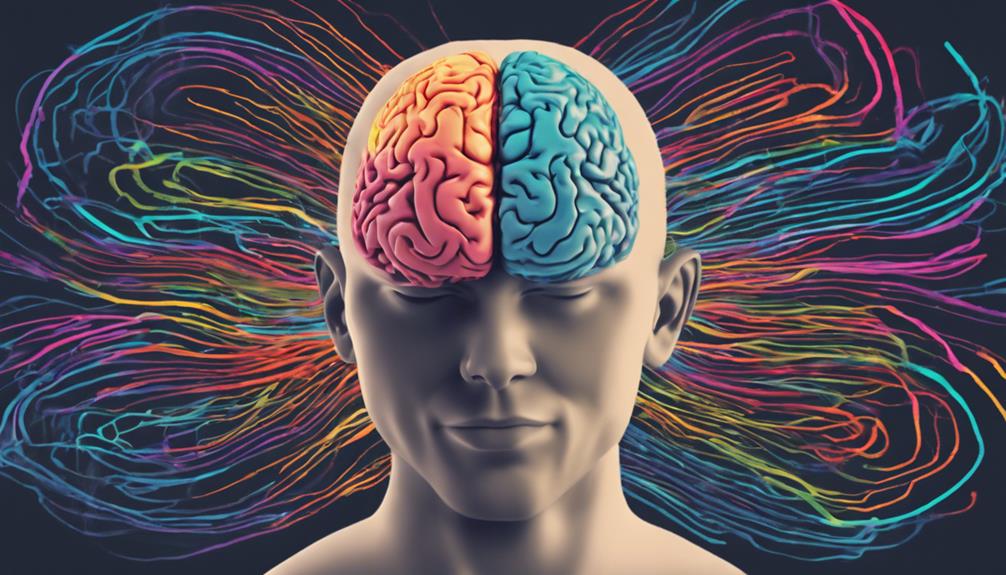
Understanding the relationship between hypnotic suggestions and brain responses uncovers the impact of suggestibility levels on neural pathways and specific brain regions. This correlation highlights the intricate interplay between conscious and subconscious...
Clinical hypnosis harnesses the mind-body connection to optimize pain relief by modulating pain perception. Techniques induce relaxation, develop coping strategies, and reframe negative thoughts for healing. Integration in patient care enhances treatment...
Neuroscience uncovers the brainwave patterns and regions involved in hypnosis, revealing altered cognitive processing. The prefrontal cortex, essential for cognitive control, shows decreased activity during hypnosis, impacting perception and behavior....
Hypnosis in sports benefits athletes by enhancing focus, mental toughness, motivation, skill acquisition, and injury recovery. It improves concentration levels, aiding in decision-making and reaction times. Furthermore, it fosters mental...
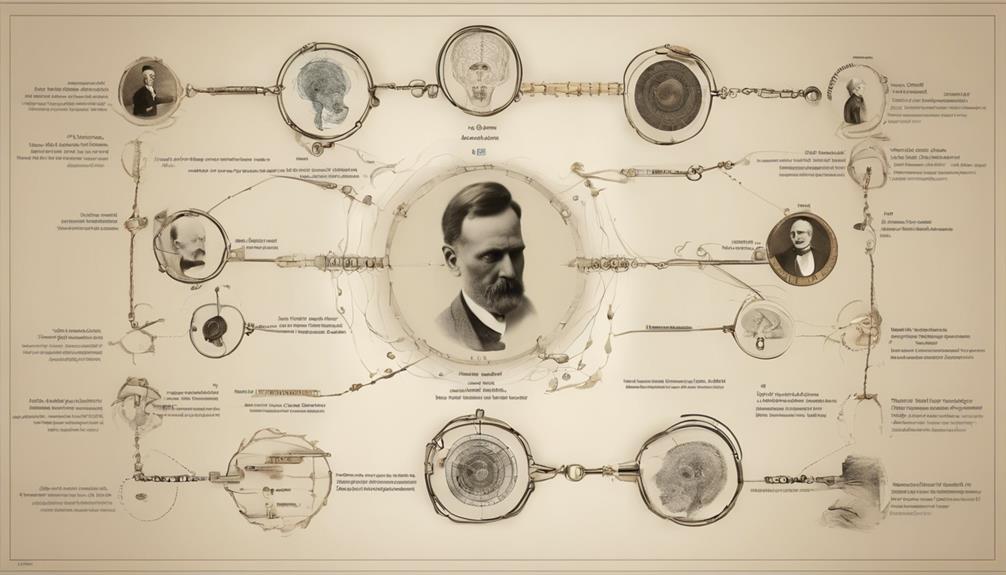
Early theories of hypnosis began with Franz Mesmer's concept of animal magnetism, using gestures and passes to induce trance-like states. Jean-Martin Charcot later linked hypnosis to neurosis, viewing it as a tool for studying psychological disorders....