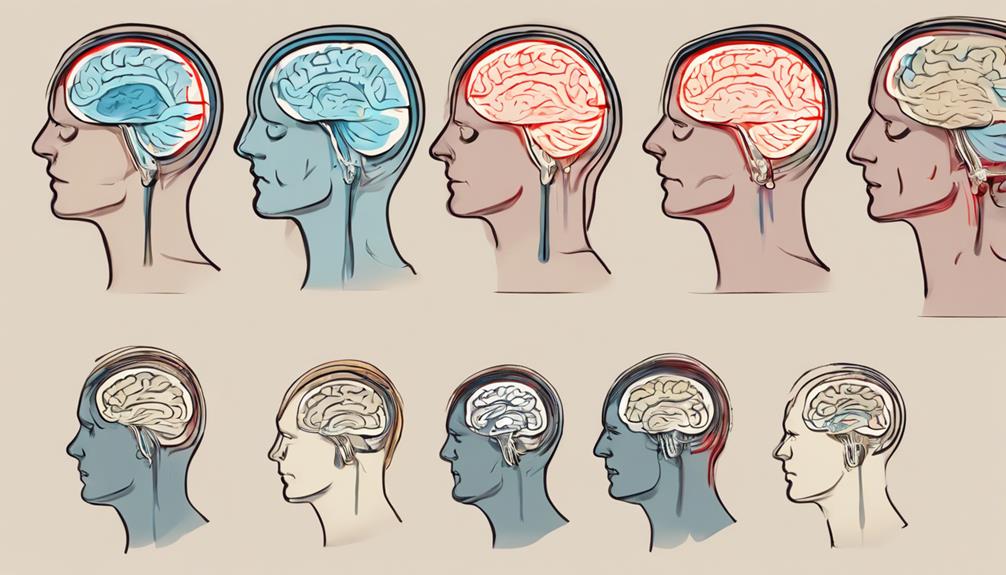
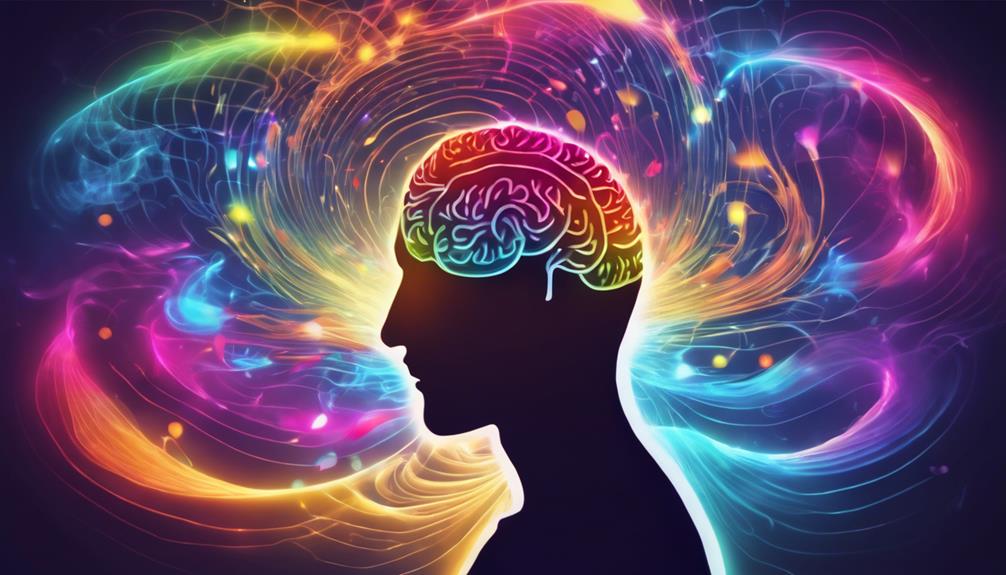
Hypnosis influences brain wave patterns by elevating theta waves associated with deep relaxation and suggestibility, while reducing beta waves related to active alertness. These changes shed light on the neurological impact of this altered state of consciousness....
Enhancing brain activity during hypnosis involves utilizing brainwave patterns, altered neural networks, deep breathing, visualization, positive affirmations, mindfulness practices, guided imagery, and music therapy. Techniques such as deep...
Ethical guidelines for hypnotists encompass maintaining integrity, confidentiality, and client well-being. Upholding professional behavior, respecting client autonomy, and obtaining informed consent are crucial. Clear boundaries,...
Optimizing brain waves with hypnosis involves understanding key patterns such as alpha, theta, beta, and delta waves. Alpha waves induce relaxation and focus, theta waves aid in creativity and problem-solving, beta waves boost cognitive...
In hypnosis sessions, client safety is ensured through clear boundaries, continuous monitoring, tailored suggestions, handling unexpected reactions, and maintaining confidentiality. Establish boundaries and secure consent for a safe environment....