To maximize hypnotic suggestibility in hypnosis practice, it is essential to delve into the historical roots, understand the impact of expectations, consider personality traits, explore neuroscientific insights, and employ effective techniques....
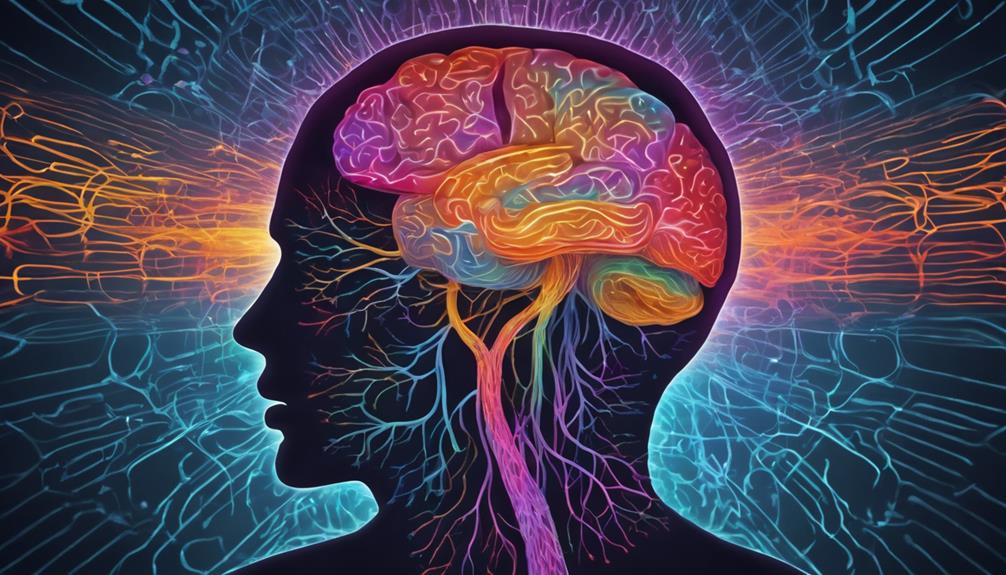
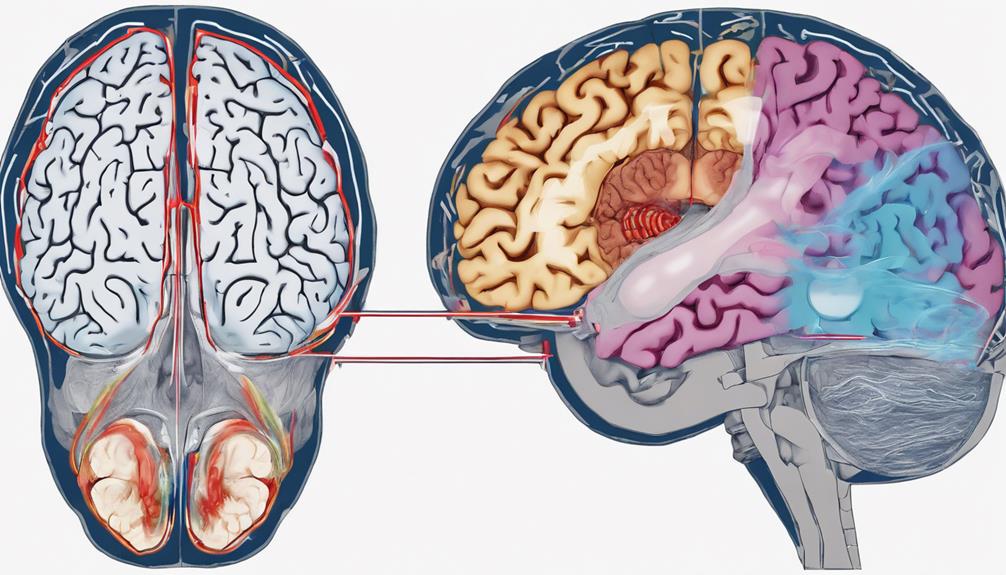
Neurological studies demonstrate the involvement of prefrontal cortex, anterior cingulate cortex, and insula in hypnosis, focusing on attention, emotional response modulation, and bodily sensation alteration. Hypnotic learning relies on neural...
Hypnotic suggestions impact brain responses by reshaping neural pathways and activity patterns, influencing sensory processing, emotions, and cognition. The phenomenon of neuroplasticity allows for these alterations in the brain to occur through hypnosis....
Utilizing hypnotic scripts for rapid induction provides a structured pathway to guide individuals into deep relaxation, increasing receptivity to suggestions for lasting transformation. These scripts save time for both hypnotist and client, streamlining the...
Neuroscientific research on hypnosis reveals valuable insights: 1) Brain activity shows increased synchronization, particularly in the limbic system tied to emotional processing. 2) Prefrontal cortex involvement in cognitive control during hypnotic...