Understanding and adhering to ethical codes, maintaining clear boundaries, and prioritizing client welfare are key in navigating ethical dilemmas in hypnotherapy practice. Ensuring informed consent, confidentiality, and privacy while avoiding dual...
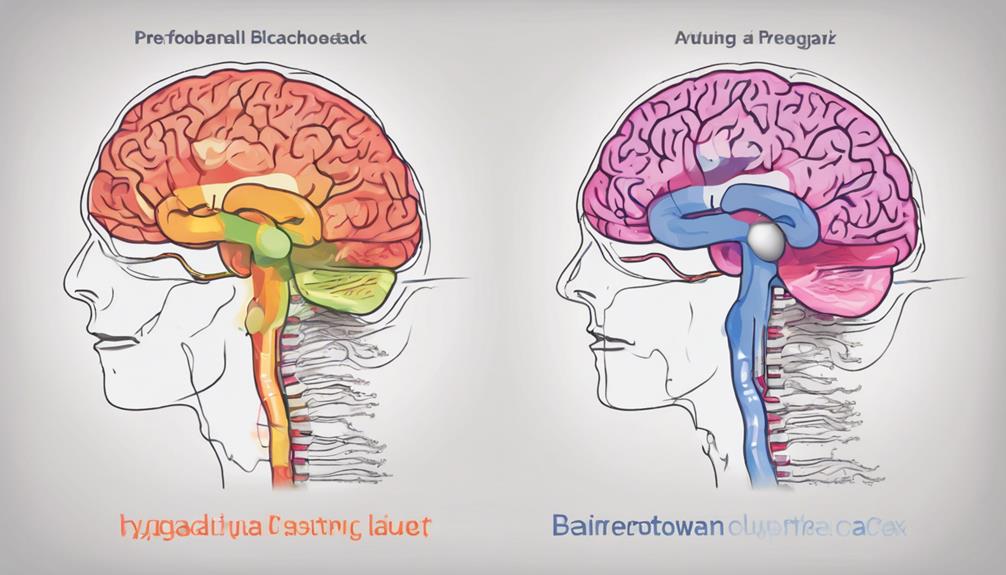
Neuroscientific research reveals intricate neural correlates and brain regions involved in hypnosis. Specific neural oscillations like theta and alpha frequencies are modulated during hypnotic states, affecting cognitive processing. Brain regions such as the...
Brain activity changes in hypnosis due to altered neural connectivity, brainwave patterns, neurotransmitter modulation, and suggestive cognitive effects. During hypnosis, distinct brain regions related to attention, perception, and...
Cognitive theories like schema, attentional focus, expectancy, and cognitive-behavioral influences significantly impact hypnosis. These theories play crucial roles in shaping hypnotic experiences and influencing responsiveness to suggestions. Understanding...